
Inspired to Do Good
At Diverse Works, we're telling stories from incredible people—artists, community leaders, entrepreneurs, and more who have made a difference for the good of diversity, inclusion, and equity.
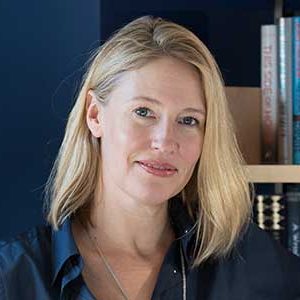
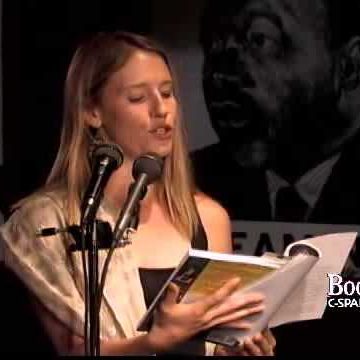
Jennifer Baumgardner,
Dottir Press
Publisher, author, playwright, filmmaker, activist
"When I think about what I do, which is write and speak and publish books about feminism, and make documentaries, it's in part because it would be harder not to."
POV with Jennifer
Baumgardner
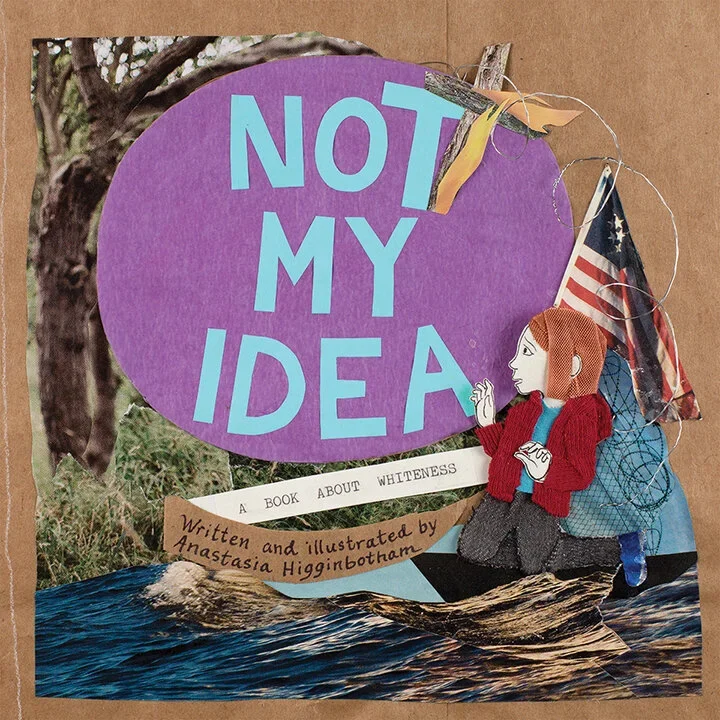
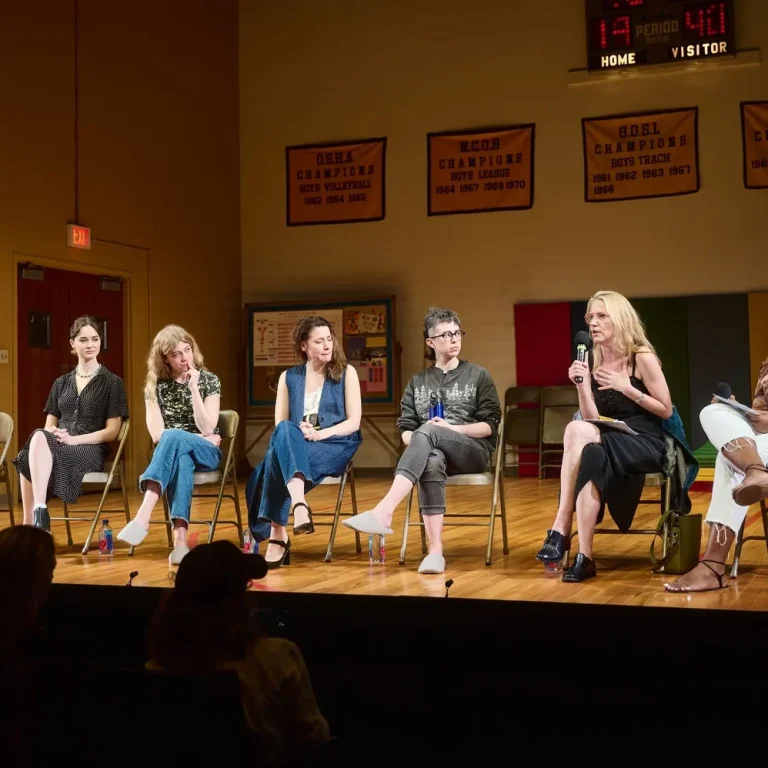
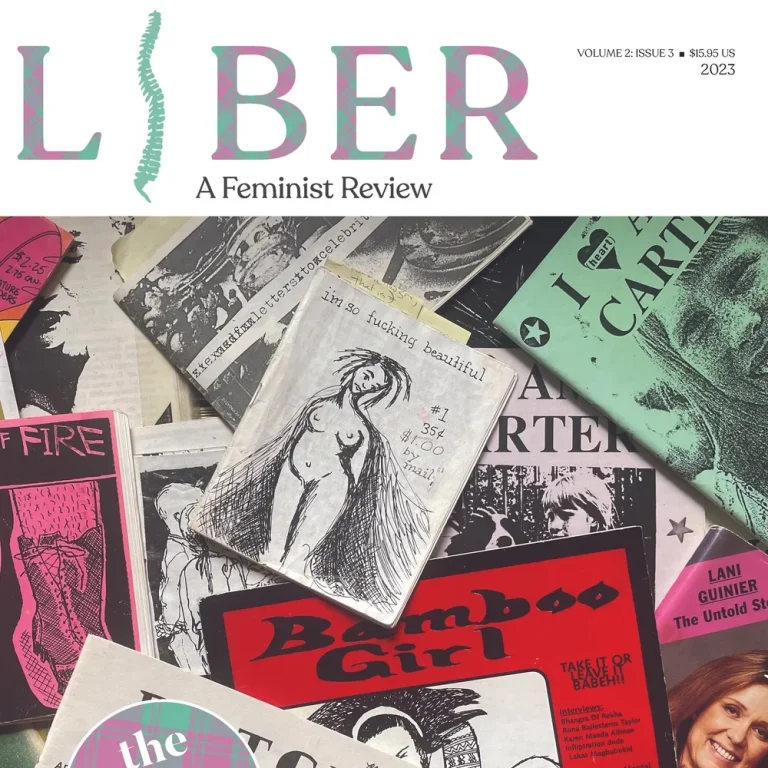
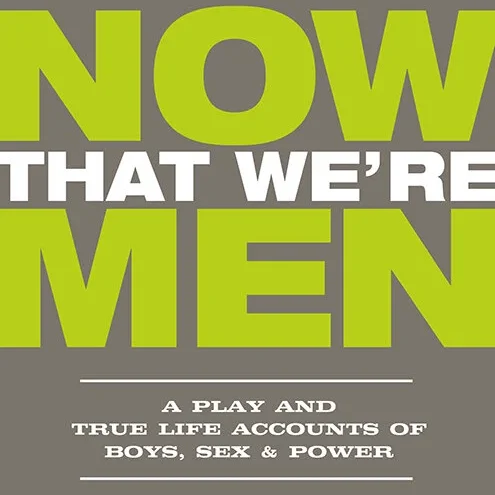
Jennifer Baumgardner is an accomplished author, playwright, filmmaker and publisher, who was first introduced to the feminist publishing industry through her position at Ms. magazine in 1993. She then left the magazine to write articles (Glamour, Teen Vogue, Bust, New York Times, The Nation, etc.) and books (Manifesta, Grassroots, Look Both Ways: Bisexual Politics, etc.) and to make documentaries (I Had an Abortion, It Was Rape). After 4 years as ED of Feminist Press, in 2017 she launched Dottir Press, a name inspired by the Icelandic word for "daughter". To this day, Baumgardner is working to bring awareness to the struggles that women and other minorities experience in their lifetime, and is advocating for change, one book at a time.
Dottir Press was founded in 2017 with the mission of passing on and building upon feminist intellectual and creative legacies. It actively transmits female intellectual production, while also ushering forth narratives that are suppressed in widely distributed channels. Dottir Press serves as an outlet for feminist and LGBTQ+ advocacy, and showcases the talents and messages of both authors and artists who are passionate about bringing forth representation and change in society.
DW: Why did you start your own publishing company?
JB: I work well with other people, but I don’t work well for other people. I think being a boss is hard. But having a smaller publishing company, it’s given me and the people who work for me to have more opportunity to do more things. Anytime I start a project I realize that I have to finish what I start.
DW: What struggles or challenges did you have to overcome in the publishing industry?
JB: My first job was at a feminist magazine. We didn’t have enough resources back then and got used to working on operating on a shoestring budget. I have never worked in a traditional company—like in banking. I’ve always worked in organizations dominated by women. Working only in feminism you become sensitive to intra-feminist conflicts.
DW: How would a high school student like me get involved in activism?
JB: First you need to find your cause. What are you interested in? For me it was mainly through my personal experience. My older sister went through a traumatic experience in high school. She was slut-shamed and demeaned in high school because of it and the experience stuck with me. It’s been something that I’ve been working on my whole life. I’ve been writing books about it. I made a documentary about my sister’s rape. I produced a play called Slut with another author, then the play turned into a TV show called Grand Army. Right now I’m creating a sex education program for 7th graders at my son’s school. So this is how I came to my cause, through my sister Andrea’s story, and the guilt I felt about it. I didn’t want that to happen to me. I do think that the things we do, the actions we take, is because of something that we are trying to work on inside of us.
DW: My brother and I are fortunate to go to an international school because we are taught to respect pronouns and celebrate differences, whether it’s sexual orientation or people’s perspectives. The first step to respecting others is to learn their names. At my school, the teachers make it a prerogative to pronounce all the student’s names correctly. They understand its importance. As a mother of two sons growing up in NYC, how should kids today think about all the social evolutions we are going through and how do we fit boys into feminism?
JB: Kids today already know how to step into this. It’s definitely a dialect they’ve learned since a young age. Even at age 4, my son Magnus knew what being non-binary was and the importance of referring to different pronouns. These kids don’t have to spend a lot of time wrapping their minds around these concepts like we have because they’ve been born into it. Feminism has become more socially accepted but now there are other elements that come into play than just men and women.
DW: How did you get into activism? What made you that way or were you born that way?
JB: I kind of was born that way. I’m a bossy middle child. My older sister was kind of shy and my younger sister was kind of shy. I felt it was sort of innate. And because of what happened to my older sister in high school, I felt like I had to act, stand up for her and protect her. I think people come into activism through their personal experience. My older sister’s experience where I saw her getting put through the meat grinder, I knew the way she was treated by other girls and everyone else was wrong. Once I was in college I wanted to know more, to be able to reframe it. I was able to sort of put words to the experience and start making sense of it.
Most of my life, being a feminist wasn’t considered popular as it is right now. If you called yourself a feminist you could expect a lot of blow-back so if that was going to be a part of my identity I had to steel myself. So that is probably what helped shape my identity growing up.
Jonathan Paul Jackson, Visual Artist
Discovering community on a personal journey of truth
"When I think about what I do, which is write and speak and publish books about feminism, and make documentaries, it's in part because it would be harder not to."
POV with Jonathan Paul Jackson
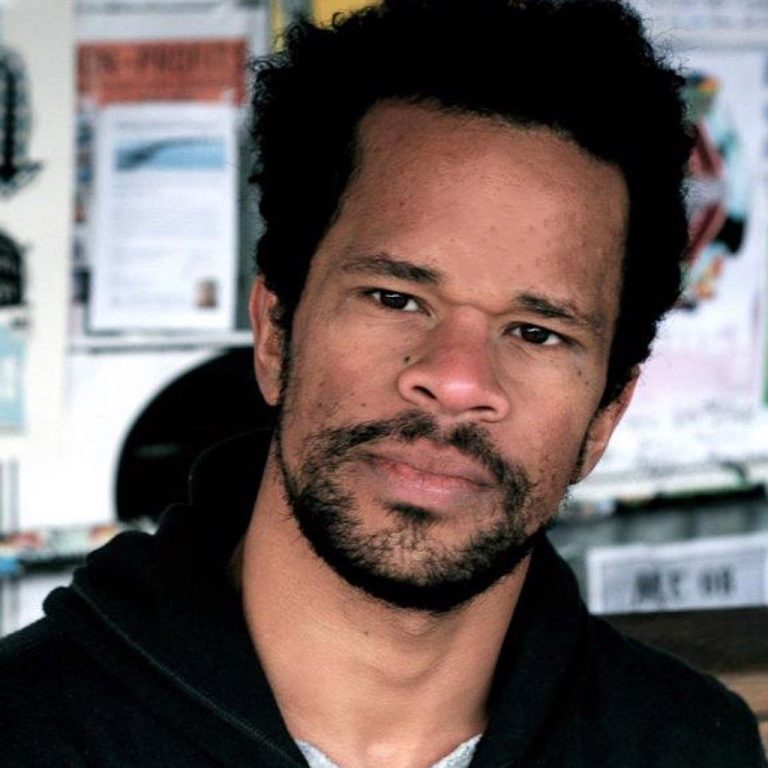
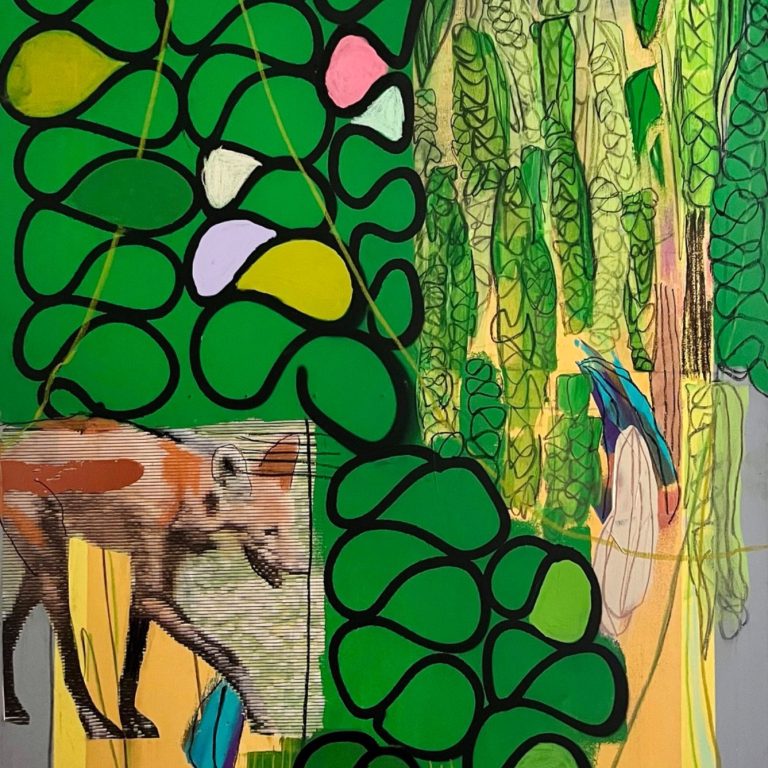
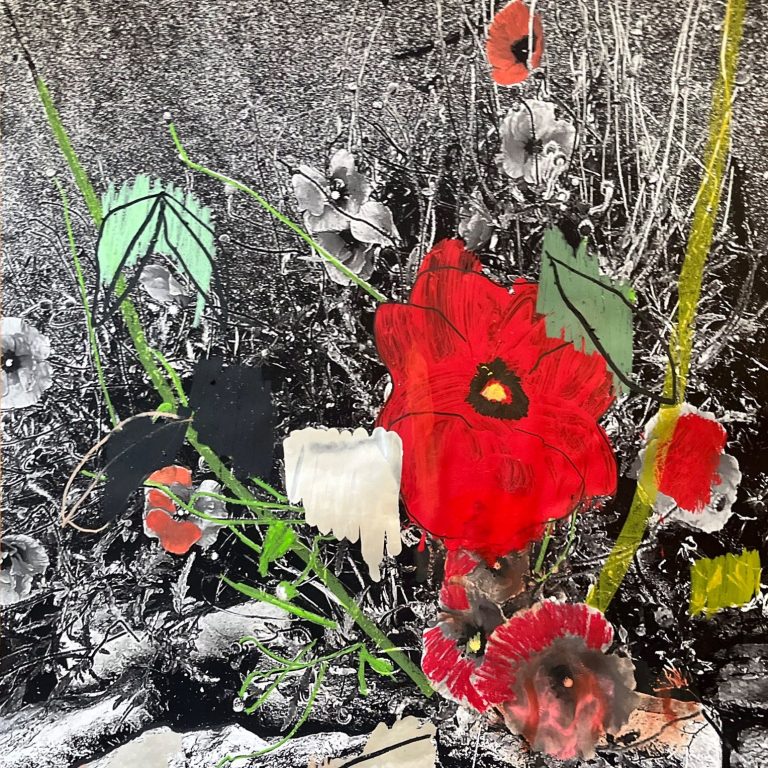
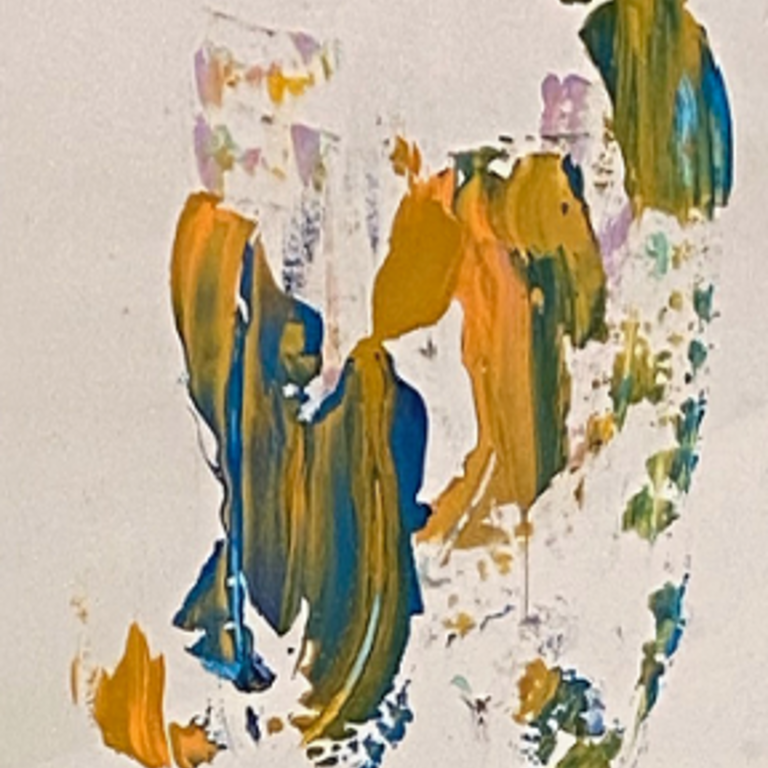
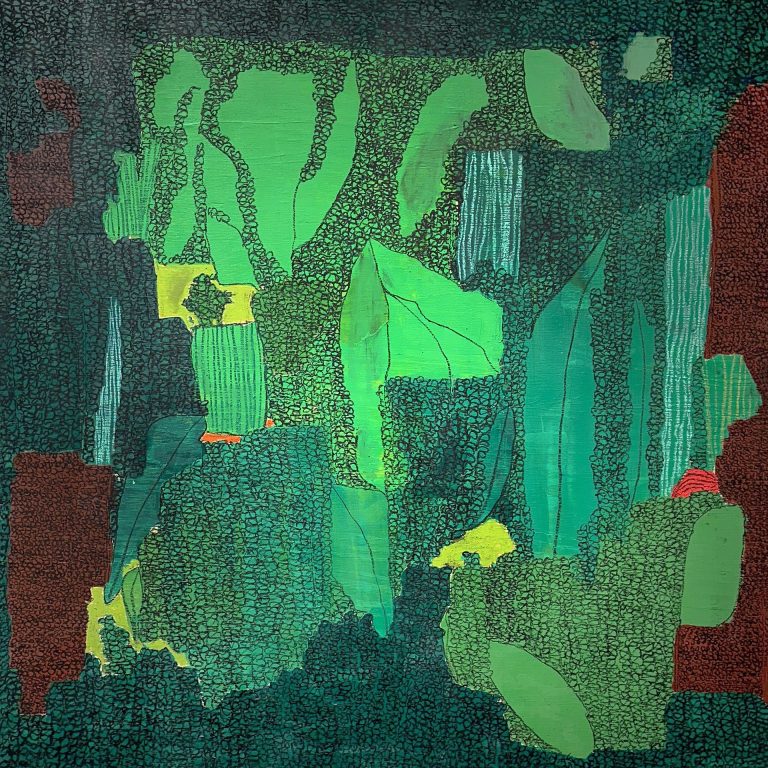
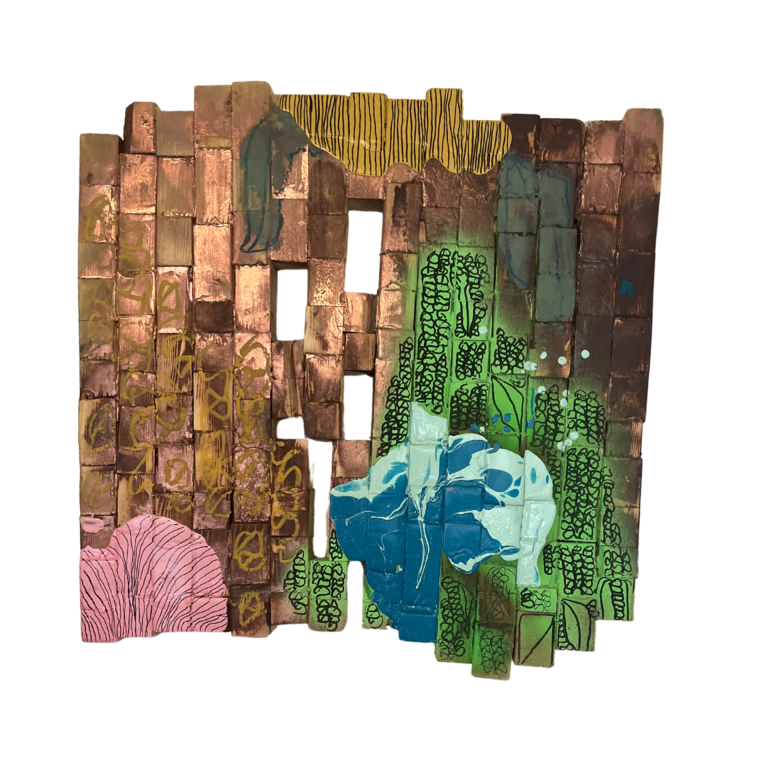
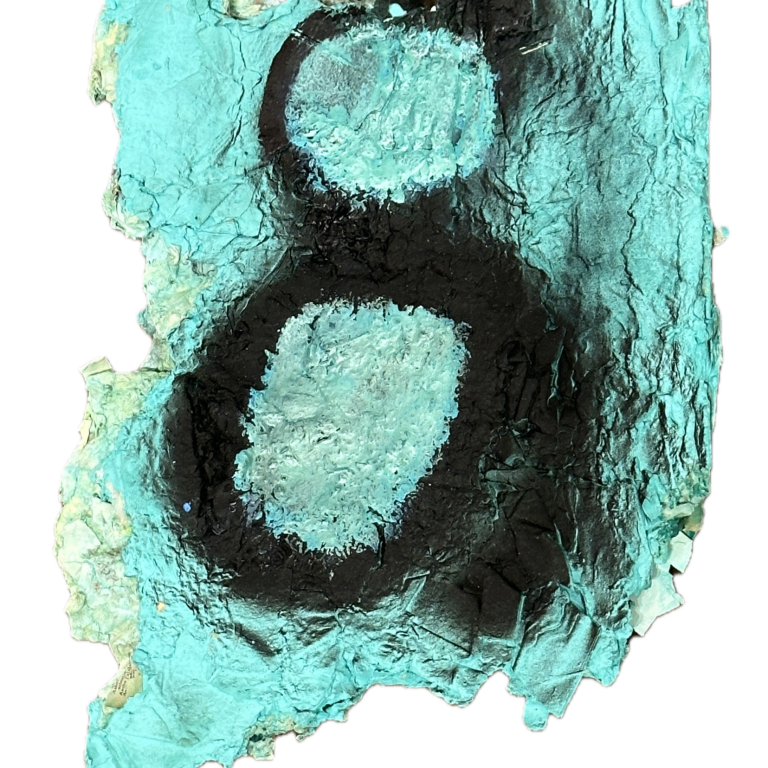
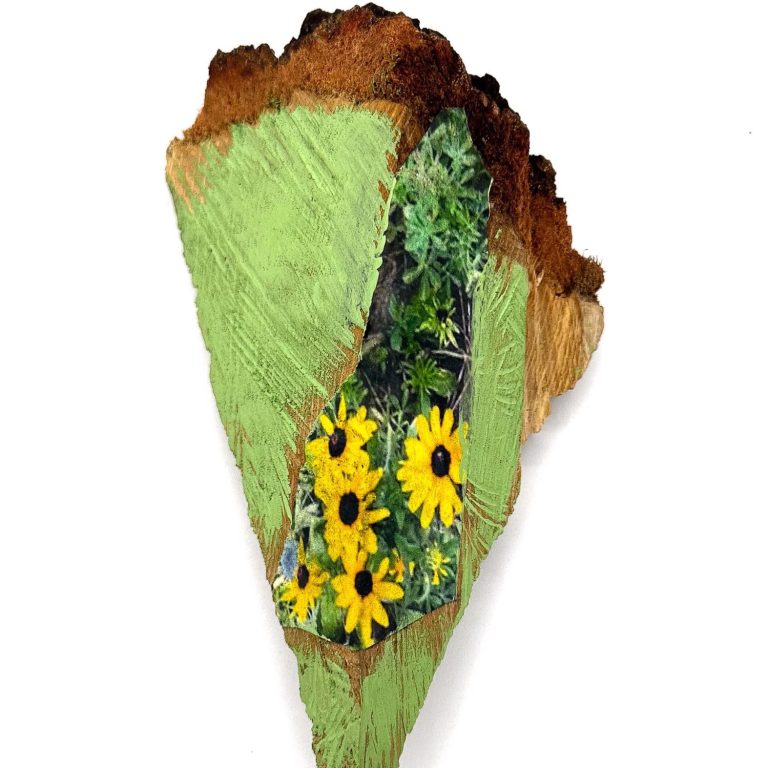
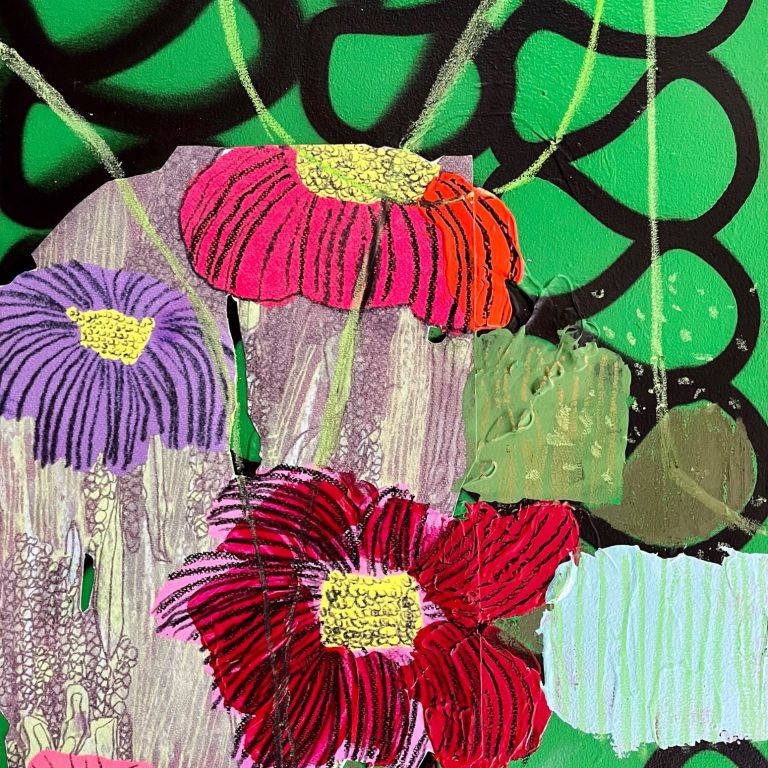
Jonathan Paul Jackson is an African-American visual artist from Houston, TX with a diverse and interesting background. Mostly self-taught, he works in many mediums of art, including painting, sculpture, and illustration. His works involve experimenting in Neo-Expressionism and Abstract Expressionism. He is currently represented by Foltz Fine Art Gallery in Houston, TX. You can also see his latest work at Galleri Urbane.
DW: Please tell us about yourself and your background.
JPJ: My name is Jonathan Paul Jackson. I’m an African-American artist from Houston, TX. Self taught. I started navigating the art world by being a studio assistant. I volunteered by cleaning brushes, working at the studio, moving paintings. Then the artists I worked for started trusting me. All the while I was absorbing everything. The first artist I worked for, J. Antonio Farfan, who is still a well-known painter here in Houston, showed me how to hold a paint brush. We worked on a triptych, a painting on what the Mona Lisa was smiling about. There was a negative space where the Mona Lisa was supposed to go, then there was a holographic image that was projected into the negative space. Then he painted what she was smiling about, like court jesters, etc. After three months of watching him paint, I learned his style. It was easier for me to hold the paint brush and start making my own marks.
Once I started doing things on my own, I had so many friends who were artists that I started curating art shows in warehouse spaces. There was a guy who owned a music festival here called Summer Fest and he asked me to organize music festivals so that took over my life. I was always on the road, making money, life was amazing. But I would always doodle and sketch in my spare time. Art was something that was always on my mind and inside of me.
Then eventually I moved to Austin and was spotted for a tv commercial. That kind of pushed me into a whole new realm. I eventually discovered that the whole business of acting sucks. The first commercial I was in was Google Nexis, then American Express, then after that all these agencies approached me wanting to represent me. I was in five commercials in the course of a year and a half. That became really hard for the artist that was still inside of me. As an artist, we’re supposed to be on this journey of truth. Being creative. But when you’re commercial acting, you’re pushing a product. You're just a vehicle.
The money was awesome from acting and so my brother, who’s in finance, helped me figure out how to save to rent a studio for a year, art supplies, and figured out how I would be able to live and be an artist. It gave me confidence in myself to see how much my brother believed in me.
I was able to experiment and really have the freedom to be creative. I started working for this artist named Angelbert Montayer, a very famous black artist from Houston, and he really taught me how to navigate how to work with bigger galleries. One of his studios was the size of my house and and he would make 20 feet paintings, selling for six figures. But him being a successful black artist showed me what it took to get to that point and drove me to work and do art. The more I worked the clearer my vision became. I’m a big believer in probability and realize that the more I work, the more I have the chance of being successful at creating the work that I want.
DW: Would you say that this was a moment in your career that made you want to pursue art full-time or was there a different defining moment?
JPJ: That was definitely one moment that helped define me as an artist. Another time was when I was showing at Deborah Colton Gallery in 2017 a group show and I sold more work than everyone else. I was wondering if my work would sell because I was trying to figure out how to find that happy medium between commercial work that would appeal to others and sell versus my studio work which was more experimental. But because I had sold so much artwork, I realized, this is what I was supposed to be doing.
DW: You mentioned earlier that you did not attend any formal education on art, where do you draw your inspiration from?
JPJ: I’m a big lover of art history. I watch documentaries. I read. As an artist, as you’re trying to create the art of the future, you need to know the art of the past. If there’s something that’s already been created, I don’t want to do that. I want to do something that hasn’t been done. But I can take inspiration from other artists. There’s a Basquiat quote that says influence is simply someone’s idea going through my new mind. That blew me away because that’s how I think every artist should go into it. It’s great when you can be influenced from other artists, but whatever you make is uniquely yours.
As far as visual inspiration, I love nature. I don’t use a lot of human figures in my work because I think a landscape, especially a natural one, helps the viewer to lose themselves in the scene, making them use their own imagination.
DW: What would you say makes your paintings unique and revolutionary in the art industry?
JPJ: Right after the Deborah Colton show, I met a Rice professor, Christopher Sperandio who teaches drawing and painting at Rice. He does comic book illustration art that’s pretty amazing. I had all this confidence from coming off the Deborah Colton show and ready to take the next step. He told me that I was a scientist and my studio was my laboratory. And scientists research and do experiments. When you do experiments, there is no such thing as failure. That helped me to stop worrying about failing and helped me to just venture out, be bold. Once I grasped that I didn't have to be afraid, I started experimenting with new things like putting glitter on my art or using metallic colors.
DW: How would you describe your artistic style?
JPJ: Abstract expressionism. There’s some realness about it, but I want you to investigate the work. I did a big solo show and there was a guy who was scratching his head, crouching, trying to figure out what was going on and I said that’s it, that’s what I want people to do when they see my work. You can love it or hate it but if you’re stopping in the middle of your life and investigating one of my paintings, then I’ve done my job.
DW: Has being an African-American man in the industry impacted you in any way? And how?
JPJ: Yes, it’s made me very aware about my own actions, other people’s actions, and I’m aware of my voice and my impact and how other people’s voices impact me. It makes me want to fight for my community more and be more involved with my art community. I missed curating art shows for friends so I’m doing more of that. During the COVID lockdown, I produced a lot of work and had built a platform of connections, so I reached out to other artist friends, some were depressed and going through hard times, so I just tried to get behind everyone and help by being productive and doing group shows together. That’s been really nice to do. In today’s environment, I do feel that I am getting attention as an African-American artist and people are paying attention to my shows and my work. It’s important that under-represented artists have a voice.
DW: I feel like your paintings speak for yourself and it represents you and who you are in society and as an individual. It’s very powerful. What do you ultimately hope to achieve out of your artwork?
JPJ: I just want to be happy, to be genuinely happy. Money is cool and I enjoy making money from my work. But there’s a lot of rich people in the world that are very unhealthy. Art gives me the psychologically healthy emotion that I need. It makes me stable. It helps me to let things out that I’d normally hold in. Sitting here by myself working, I’m alone with my thoughts, I reflect on my past and think about my future.
DW: Speaking about the future, a rising generation of artists are important to create a new culture of art. What advice would you give to young artists aspiring to have a career in art?
JPJ: There’s an Andy Warhol quote: make art and while people are deciding if it’s good or not, make even more art. Let the people decide if they like the art that you are making or not. It’s not something you can control so you can’t worry about it. Just be true to yourself and keep working and eventually you’ll find your true self. That's the most important part of life.
Do good works.
Want to be a part of the solution? Send in your writing, art, interviews, recordings, film that promote good works in diversity, equity and inclusion.
E-mail: larkinhelmantx@gmail.com